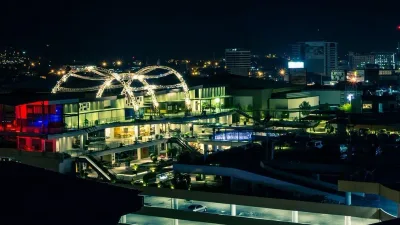
Condo vs House vs Apartment in Davao: Which to Rent?
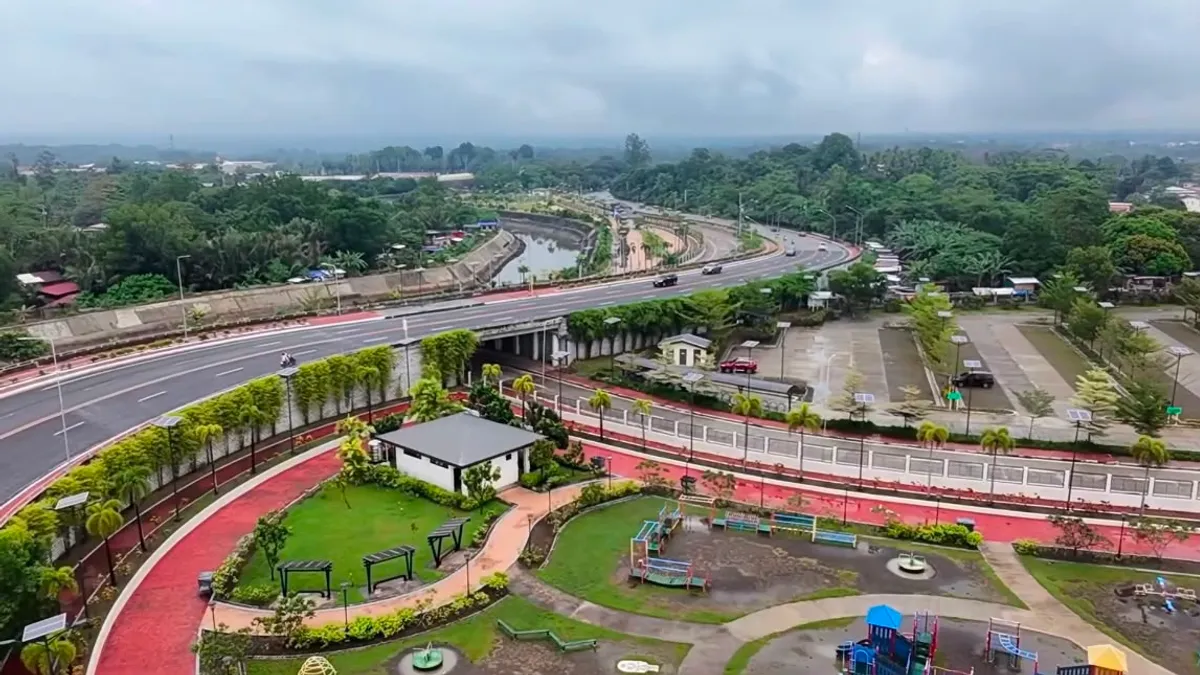
Davao’s rental market splits into three distinct property types — condominiums, standalone houses, and walk-up apartments — each with different rent ranges, deposit structures, and hidden costs. A studio condo in Lanang lists for ₱12,000–18,000/month (April 2026) , a 2-bedroom house in a Camella subdivision runs ₱12,000–20,000/month (April 2026) , and a bare walk-up apartment near Quirino Avenue starts at ₱4,000–8,000/month (April 2026) .
The spread is enormous. Choosing the wrong type for your situation means either overpaying for amenities you do not use or missing features you actually need. This guide compares all three with current pricing and real costs so you can match property type to budget and lifestyle. For the full renting process, see the complete guide to renting in Davao.
Interactive calculator Compare the true monthly cost of each Build a Davao budget per option — utilities auto-computed from live DLPC and DCWD rates, not guessed. Open the budget toolThree Types of Rental Property in Davao
Davao renters choose between condominiums in mid-rise and high-rise buildings, houses or duplexes in residential subdivisions, and walk-up apartments in low-rise buildings scattered across commercial streets. Each type clusters in different parts of the city and serves different renter profiles.
Condominiums concentrate in Lanang (along JP Laurel Avenue), Bajada, and parts of Matina-Ecoland. Rent ranges from ₱10,000–25,000/month (April 2026) for studios to 1-bedrooms. Houses and duplexes spread across subdivisions in Catalunan Grande, Buhangin, Mintal, and Matina, areas with more land area further from the commercial core. Walk-up apartments line the secondary roads throughout the city, with the heaviest concentration along Quirino Avenue, Ma-a Road, Quimpo Boulevard, and the side streets of Obrero and Bangkal.
The price gap between types narrows at the 2-bedroom level, where a subdivision house and a condo unit may carry similar rent, but the total monthly cost diverges sharply once you add association dues, parking fees, and electricity differences. Rent is only half the story. The sections below break down each type with named buildings, real cost figures, and the expenses that do not show up in listing prices.
The bands here are street-level figures from LiveDavao’s barangay guides — what renters actually sign for. Portal asking prices sit higher: the Davao Living Cost Index (April 2026) puts the condo 1-bedroom median at ₱25,000 (n=95 priced listings) and the house 2-bedroom median at ₱25,000 (n=32). Treat the Index as the ceiling and negotiate down from it.
Condominiums: Amenities, Security, and Condo Dues
Condos are the default choice for renters who want building security, shared amenities, and a central location. The amenities cost extra, though. Studios and 1-bedrooms in Davao’s condo buildings list for ₱10,000–25,000/month (April 2026) , with 2-bedrooms reaching ₱18,000–35,000/month (April 2026) in buildings like Avida Towers Davao, Abreeza Residences, Verdon Parc, and Azuela Cove.
What you get with a condo:
- 24/7 security with CCTV and key card access
- Swimming pool, gym, and function rooms (in most mid-range to high-end buildings)
- Lobby reception and parcel handling
- Elevators and maintained common areas
- Building-managed pest control and general maintenance
Named buildings and approximate ranges (early 2026):
- Avida Towers Davao (Lanang): Studio ₱12,000–16,000/month (April 2026) , 1BR ₱17,000–22,000/month (April 2026)
- Abreeza Residences (JP Laurel): 1BR ₱20,000–28,000/month (April 2026)
- Suntrust Asmara (Bajada): Studio ₱10,000–14,000/month (April 2026)
- Verdon Parc (Ecoland): 1BR ₱18,000–24,000/month (April 2026)
- 202 Peaklane (Bajada): Studio ₱11,000–15,000/month (April 2026)
For a building-by-building breakdown of management quality, furnishing standards, and renter notes, see our best condos in Davao for rent guide.
The hidden cost: association dues and parking. Most condo rentals in Davao pass association dues through to the tenant. Listings rarely mention them. These run ₱2,000–5,000/month (April 2026) depending on unit size and building tier. Parking adds another ₱2,000–3,500/month (April 2026) if you have a vehicle and a slot is not included in the unit. Some landlords absorb dues within the listed rent, always clarify before signing.
Condo units are typically smaller than houses — studios range from 22 to 30 square meters, 1-bedrooms from 30 to 45 square meters. Noise from neighbors is more noticeable, especially in buildings with thin walls. Cooking with gas is banned in most Davao condos (fire code), so you are limited to electric stoves and induction cooktops, which affects your electricity bill.
On the upside, condos in Lanang and Bajada put you within walking distance of SM Lanang Premier, Abreeza Mall, restaurants, and BPO offices, cutting transport costs that house renters in outer subdivisions have to budget for.
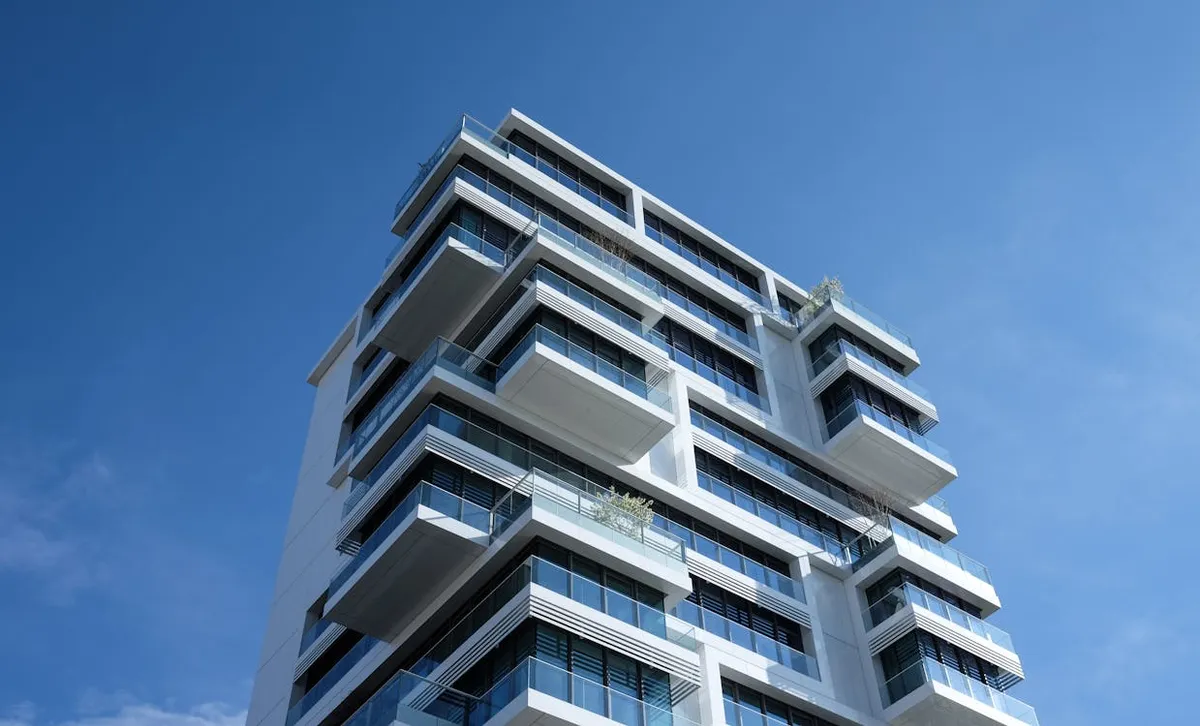
Houses and Duplexes: Space, Subdivisions, and Maintenance
Houses give you floor area and privacy that condos cannot match, at comparable or lower rent for 2-bedroom units. Location is the trade-off. A 2-bedroom house in a Davao subdivision rents for ₱12,000–20,000/month (April 2026) , while 3-bedrooms run ₱18,000–35,000/month (April 2026) , often with a yard, carport, and no association dues eating into your budget.
Where houses are available:
- Camella Homes Davao (Communal, Buhangin): 2-3BR townhouses and singles, ₱12,000–22,000/month (April 2026) . Gated community with basic amenities (clubhouse, playground).
- Catalunan Grande subdivisions (multiple developers): 2-3BR houses, ₱10,000–18,000/month (April 2026) . Further from the city centre but more affordable.
- Matina subdivisions (near Diversion Road): 2-3BR, ₱15,000–28,000/month (April 2026) . Closer to BPO corridor and malls.
- Mintal area (along McArthur Highway): 2-3BR, ₱8,000–15,000/month (April 2026) . Most affordable but 30-45 minutes from downtown during rush hour.
Trade-offs renters should know:
- Maintenance falls on you. Unlike condos where the building handles common areas, house renters are typically responsible for yard upkeep, minor plumbing, and pest control. Some lease contracts specify that repairs under ₱5,000 are the tenant’s responsibility.
- Electricity runs higher. Larger floor area means more lighting and fans. A 2-bedroom house uses roughly 20-40% more electricity than a comparably sized condo unit because of layout inefficiency and lack of centralized insulation. At a DLPC residential rate of ₱12.90/kWh (August 2026; ₱9.71–13.09over 9 cycles) ↗ , budget ₱4,000–8,000/month (mid-2026) for electricity in a house with AC.
- Transport costs increase. Subdivisions in Buhangin, Catalunan Grande, and Mintal are 15-40 minutes from the commercial core depending on traffic. Jeepney access varies, some subdivisions require a tricycle or habal-habal to reach the nearest main road. Monthly transport for a house renter in an outer subdivision runs ₱2,000–4,500/month (April 2026) versus ₱800–2,000/month (April 2026) for a centrally located condo dweller.
- Security is subdivision-dependent. Gated subdivisions like Camella Homes have guard posts and controlled entry. Non-gated residential areas rely on barangay tanod patrols. This matters less in Davao than in Manila, the city’s safety ranking (2nd-3rd safest in the Philippines) applies broadly, but it is still a factor for families and night-shift workers.
Houses work well for families, remote workers who need a home office, and renters who value space over location. They do not work well for single BPO workers on night shifts who need to be walking distance from their office. For a direct two-way comparison of these tradeoffs without the walk-up apartment thrown in, see apartments vs houses in Davao.
Walk-Up Apartments: Budget Option With No Frills
Walk-up apartments are the cheapest tier. They are the most common housing for Filipino workers, students, and budget-conscious renters. Bare studios and 1-bedrooms list for ₱4,000–8,000/month (April 2026) , with 2-bedrooms at ₱7,000–12,000/month (April 2026) — roughly half the cost of a comparable condo unit.
What “walk-up apartment” means in Davao:
- Low-rise building (2-4 floors), no elevator
- Landlord-managed (not a property management company)
- No pool, gym, lobby, or shared amenities
- Basic security: locked main gate, sometimes a caretaker
- Units are typically bare, no furniture, no appliances, sometimes no kitchen counter
Where they cluster:
- Quirino Avenue and side streets: Studios ₱4,000–7,000/month (April 2026) . Near Ateneo de Davao University and the Poblacion commercial area.
- Ma-a Road toward Matina: Studios and 1-bedrooms ₱5,000–9,000/month (April 2026) . Access to Matina IT corridor and Gaisano Mall of Davao.
- Obrero and Bangkal: 1-bedrooms ₱5,000–8,000/month (April 2026) . Walking distance to SM City Davao and University of Mindanao.
- Quimpo Boulevard area: Studios ₱4,500–7,500/month (April 2026) . Along jeepney routes to Matina and downtown.
Walk-up apartments have fewer hidden costs than condos. There are no association dues, no parking fees (most buildings have ground-level parking or street parking), and deposits are often negotiable at 1-2 months rather than the standard 2-month-plus-advance structure.
Some landlords accept monthly advance payment without a formal contract for long-standing tenants, though this is risky if disputes arise later. The apartments and boarding houses overview covers the wider walk-up segment, including the sub-metering markup, curfew realities at adjacent boarding houses, and the BFP fire compliance check before signing.
The downsides: no building security beyond a gate lock, no amenities, inconsistent maintenance (leaks and electrical issues depend on how responsive the landlord is), and walk-ups in older buildings may have limited water pressure on upper floors. Internet installation can also be slower — Converge and PLDT prioritize condo buildings and subdivisions over scattered walk-up addresses. Noise from street traffic on busy roads like Quirino Avenue is a real factor for units facing the road.
Side-by-Side: Condo vs House vs Apartment
| Factor | Condo | House / Duplex | Walk-Up Apartment |
|---|---|---|---|
| Typical rent (1-2BR) | ₱15,000–35,000 | ₱12,000–28,000 | ₱5,000–12,000 |
| Security deposit | 2 months + 1 advance | 2 months + 1 advance | 1–2 months (often negotiable) |
| Association dues | ₱2,000–5,000/mo | Rare (some gated subdivisions) | None |
| Parking cost | ₱2,000–3,500/mo if not included | Usually included (carport/yard) | Free or street parking |
| Building security | 24/7 guards, CCTV, key card | Gated subdivision or barangay tanod | Locked gate, caretaker at best |
| Amenities (pool, gym) | Yes (most buildings) | Subdivision clubhouse (if gated) | None |
| Floor area (1BR) | 30–45 sqm | 50–80 sqm | 20–35 sqm |
| Electricity (monthly) | ₱3,000–6,000 | ₱4,000–8,000 | ₱2,000–4,500 |
| Maintenance responsibility | Building handles common areas | Tenant handles most repairs | Depends on landlord responsiveness |
| Lease terms | 6–12 months (formal) | 12–24 months (formal) | Month-to-month or 6 months |
| Best for | Singles, couples, BPO workers | Families, remote workers | Students, budget renters |
The table shows base rent does not tell the full story. A condo listed at ₱18,000 may cost ₱23,000-25,000 once dues and parking are added. A house at ₱15,000 may total ₱20,000+ once higher electricity and transport are factored in.
Walk-up apartments have the most predictable total cost because there are fewer add-ons, but you trade amenities and security for that savings.
Hidden Costs by Property Type
If you are buying rather than renting, one more cost sits underneath all of these: the annual amilyar, which is charged on assessed value rather than on what you paid. The city has proposed a new schedule of market values for 2026, and what it does to that bill is not what the headline percentages suggest.
| Category | Range (₱) | Notes |
|---|---|---|
| Condo association dues | 2,000–5,000 | Varies by building and unit size |
| Condo parking slot | 2,000–3,500 | If not included in unit lease |
| House electricity premium | 1,000–3,000 | Larger area vs condo of same BR count |
| House yard/maintenance | 500–1,500 | Grass cutting, minor repairs |
| House transport (outer subdivision) | 1,200–3,000 | Tricycle + jeepney to city centre |
| Apartment internet delay | 0–2,000 | Piso WiFi while waiting for ISP install |
Estimates as of Early 2026. Actual costs vary by building, usage, and lifestyle.
These costs stack differently depending on what you rent. A condo renter paying ₱18,000 base rent may actually spend ₱22,000-26,500 monthly. A house renter at ₱15,000 base rent may spend ₱17,700-23,500.
An apartment renter at ₱6,000 base rent stays close to ₱6,000-8,000 total. Run this math with your actual rent figure before signing — the Davao monthly budget calculator auto-pulls DLPC and DCWD rates and surfaces the rent-share, dues, and electricity totals for any unit type, and the cost of living guide covers the full monthly budget breakdown.
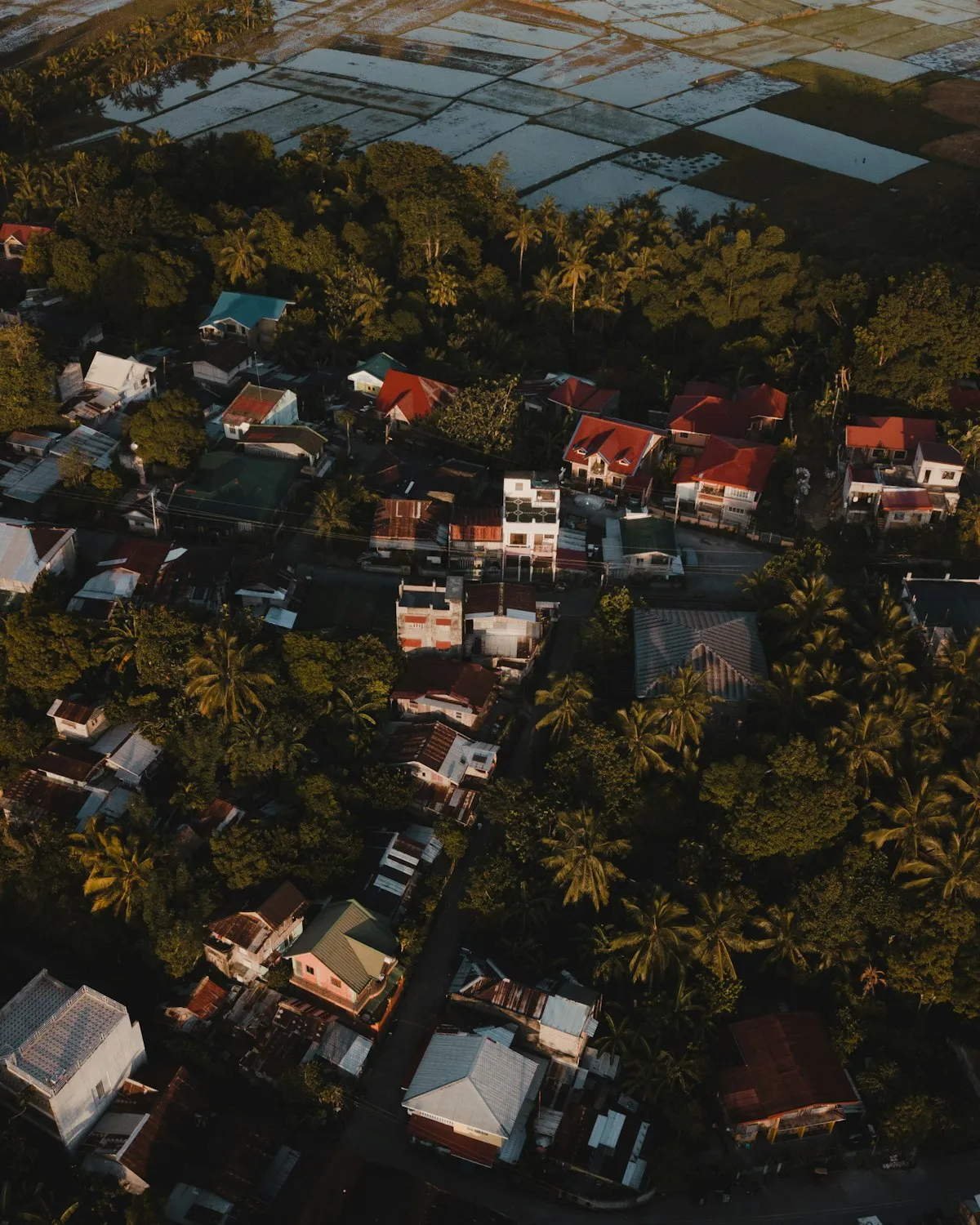
Which Rental Type Fits Your Situation?
The right property type depends on your income, household size, work location, and how long you plan to stay. Here is how common Davao renter profiles typically match up.
BPO workers (₱18,000-35,000/month salary): Condos near the Matina IT corridor or walk-up apartments along Ma-a Road and Quimpo Boulevard. Night-shift workers benefit from condo security and blackout curtains in a controlled environment. Those on the lower salary range often share a 2-bedroom condo to split rent and dues. See the BPO housing cost guide for full budget math.
Students (₱5,000-10,000/month housing budget): Walk-up apartments near their university. Obrero and Bangkal for University of Mindanao, Quirino Avenue area for Ateneo de Davao, Catalunan for UP Mindanao. Bedspace and shared apartments keep costs below ₱5,000. The student housing guide covers this in detail.
Families (2+ bedrooms needed): Houses in subdivisions offer the most space per peso, a 3-bedroom house in Catalunan Grande or Buhangin costs less than a 2-bedroom condo in Lanang while providing a yard and separate rooms. Families who need to be near city-centre schools and hospitals may prefer a 2-bedroom condo for the shorter commute.
Remote workers and digital nomads: Condos in Lanang or Bajada provide reliable internet (Converge fiber coverage is strongest in these areas), nearby coworking options, and walkable access to restaurants and cafes. A furnished 1-bedroom condo at ₱18,000–25,000/month (April 2026) is the typical choice, see the furnished vs unfurnished comparison if you are deciding between a setup unit and furnishing your own.
Couples on a moderate budget: A studio in Suntrust Asmara or 202 Peaklane at ₱10,000–15,000/month (April 2026) balances location, security, and cost. Alternatively, a 2-bedroom walk-up apartment in Obrero or Bangkal at ₱8,000–12,000/month (April 2026) gives more space at lower cost, with SM City Davao and NCCC Mall within walking distance.
Renters with pets: Houses in gated subdivisions win here. Mass-market condos like Avida Towers Davao do not allow pets at all, while mid-tier buildings like Verdon Parc accept small pets case-by-case. Houses in Insular Village (Lanang), Camella Homes Davao, and Ma-a subdivisions are the pet-friendly default. See renting with pets in Davao for named buildings and pet deposit ranges.
For neighborhood-specific rent data and walkability details, see the area guides for Lanang, Matina-Ecoland, and Bajada-Obrero.
Flood Risk and Seasonal Factors by Property Type
Each property type faces different exposure to Davao’s flood-prone zones.
Condos are generally the safest option during heavy rains. Mid-rise and high-rise buildings keep units above flood level, and basement parking, while vulnerable — doesn’t damage your living space. The exception: ground-floor commercial units in some Matina buildings near the river.
Houses in subdivisions carry the highest flood risk for renters. Subdivisions in Matina Pangi, Matina Crossing, and areas near the Davao River are among the city’s most flood-prone zones. Ground-floor living means furniture, appliances, and personal property are directly exposed. Before signing a house lease, ask neighbors, not just the landlord — about flood history. Subdivisions in Catalunan Grande and Buhangin sit on higher ground and flood less frequently.
Walk-up apartments along Ma-a Road near the Davao River and in parts of Bangkal face moderate flood risk, particularly for ground-floor units. Upper-floor apartments in the same buildings may stay dry while the ground floor floods. When renting a walk-up at budget prices, the floor level matters more than in a condo.
Seasonal rental timing also varies by type. Furnished condos in Lanang and Bajada get scarce during BPO hiring peaks (January-February) and Kadayawan (August). Houses in family subdivisions see demand spikes around June when the academic year starts.
Walk-up apartments have the most stable availability year-round because supply is high and turnover is frequent. For all types, March-April and September-October offer the best negotiating conditions.
For a complete checklist of what to inspect regardless of property type, see the first apartment checklist. For the full breakdown of costs beyond rent, dues, deposits, utility connections, see the hidden costs guide.
Mga Tip Gikan sa Lokal
Each property type in Davao fills a different gap. Condos deliver security and amenities but carry dues and parking costs that push the real price well above the listed rent. Houses provide space and privacy in residential subdivisions but add transport time and maintenance responsibility.
Walk-up apartments keep total costs low with no hidden fees but offer minimal security and no building amenities. Match the type to your work location, household size, and what you are willing to spend beyond the base rent, that total monthly figure is what actually matters. For house-specific details by area, see the Davao house rental guide.
Frequently Asked Questions
- How much does a condo cost to rent in Davao City?
- Studio condos in Davao rent for ₱10,000-18,000 per month in central areas like Lanang and Bajada as of early 2026. One-bedroom units run ₱15,000-25,000 depending on the building and floor. Association dues add ₱2,000-5,000 on top of rent, and parking slots cost an additional ₱2,000-3,500 monthly if not included.
- Are houses cheaper than condos in Davao?
- Two-bedroom houses in Davao subdivisions like Camella Homes rent for ₱12,000-20,000 per month as of early 2026, which is comparable to or slightly below a 1-bedroom condo in the city centre. However, houses carry higher electricity bills due to larger floor area and often require the tenant to handle yard maintenance and minor repairs.
- What is the cheapest type of rental in Davao?
- Walk-up apartments are the most affordable rental type in Davao. Bare studios and 1-bedroom units along Quirino Avenue, Ma-a Road, and side streets in Obrero list for ₱4,000-8,000 per month as of early 2026. These units typically come unfurnished with no building amenities, but they have lower deposits and more flexible lease terms.
- Do condos in Davao charge association dues on top of rent?
- Yes. Most Davao condos charge association dues of ₱2,000-5,000 per month, which covers building maintenance, security, pool and gym access, and common area upkeep. In some lease agreements the landlord absorbs this cost, but in many cases it is passed through to the tenant. Always confirm who pays condo dues before signing.
- Which rental type is best for BPO workers in Davao?
- BPO workers in Davao most commonly rent condos near the Matina IT corridor or walk-up apartments along Quimpo Blvd and Ma-a Road. Condos offer security for night-shift workers and are walking distance to offices. Walk-up apartments keep costs lower at ₱5,000-8,000 per month, leaving more of a ₱18,000-25,000 salary for other expenses.