Getting Around Davao: Transport Costs for Renters
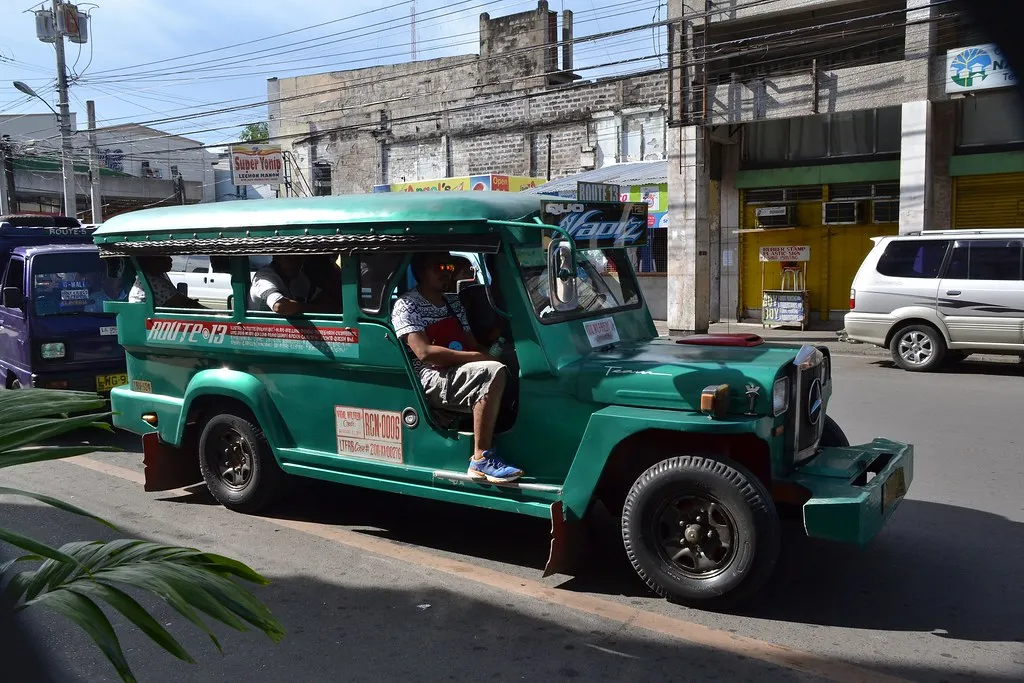
A BPO worker commuting from Matina to the IT corridor spends roughly PHP 600–900/month (early 2026) per month on jeepneys alone. Add a few Grab rides for overtime shifts and that climbs to PHP 1,500–3,000/month (early 2026) . Transport is the third largest variable expense for Davao renters after rent and electricity, and your choice of neighborhood determines how much of your salary goes to getting around.
This guide breaks down every transport option in Davao City with current fares, route specifics, and monthly budget math so you can factor commute costs into your total cost of living.
How Much Do Jeepneys Cost in Davao City?
Jeepneys remain the cheapest way to move around Davao. The traditional jeepney base fare is PHP 13–13 (April 2026) for the first four kilometers, with each succeeding kilometer adding PHP 2–2/km (early 2026) . Modern jeepneys (PUV), which are gradually appearing on select routes, charge PHP 15–15 (early 2026) with PHP 2.2–2.2/km (early 2026) .
Key Jeepney Routes for Renters
Davao’s jeepney network radiates from two main terminals: the Davao City Overland Transport Terminal (DCOTT) in Ecoland and the Bankerohan area near the public market.
Routes are numbered in the Poblacion district and named elsewhere.
Routes that matter most for renters:
- Route 2 (Ecoland-Bankerohan): Runs from the DCOTT bus terminal along G.E. Torres Street to Bankerohan, then via Magallanes Street past City Hall. Covers the Matina-to-downtown corridor that BPO workers use daily.
- Ecoland-SM route: From SM City Davao through Ecoland Subdivision to the Coastal Road, connecting to Bankerohan via G.E. Torres. Useful for Matina and Ecoland renters heading to malls or downtown.
- Route 1A (Bankerohan-Agdao): Connects Bankerohan to the Agdao district. Relevant for renters in Agdao heading to the public market or central business district.
- Route 6 (Bankerohan-Agdao via alternate): Another Bankerohan-Agdao connection through different barangays.
- Route 3 (Bankerohan-Toril): The long route heading south from downtown to Toril along the national highway. Budget renters in Toril-Mintal rely on this for the 30-45 minute ride to the city center.
- Lanang-bound routes: Several multicab and jeepney services run along JP Laurel Avenue connecting downtown to Lanang, passing Abreeza Mall and SM Lanang Premier.
Most jeepney routes operate from roughly 5:00am to 9:00pm. After 9pm, frequency drops sharply and some routes stop entirely.
Jeepney Operating Hours and Gaps
Standard hours run 5:00am to 9:00pm on most routes, with peak frequency between 6:00-9:00am and 4:00-7:00pm. After 8:00pm, headways stretch from 5-10 minutes to 20-30 minutes. By 9:30pm, most inner-city routes are done for the night.
This creates a real problem for night-shift workers. BPO employees starting at 10:00pm or finishing at 6:00am often cannot rely on jeepneys and must budget for alternative transport.
Tricycle and Habal-Habal Fares in Davao
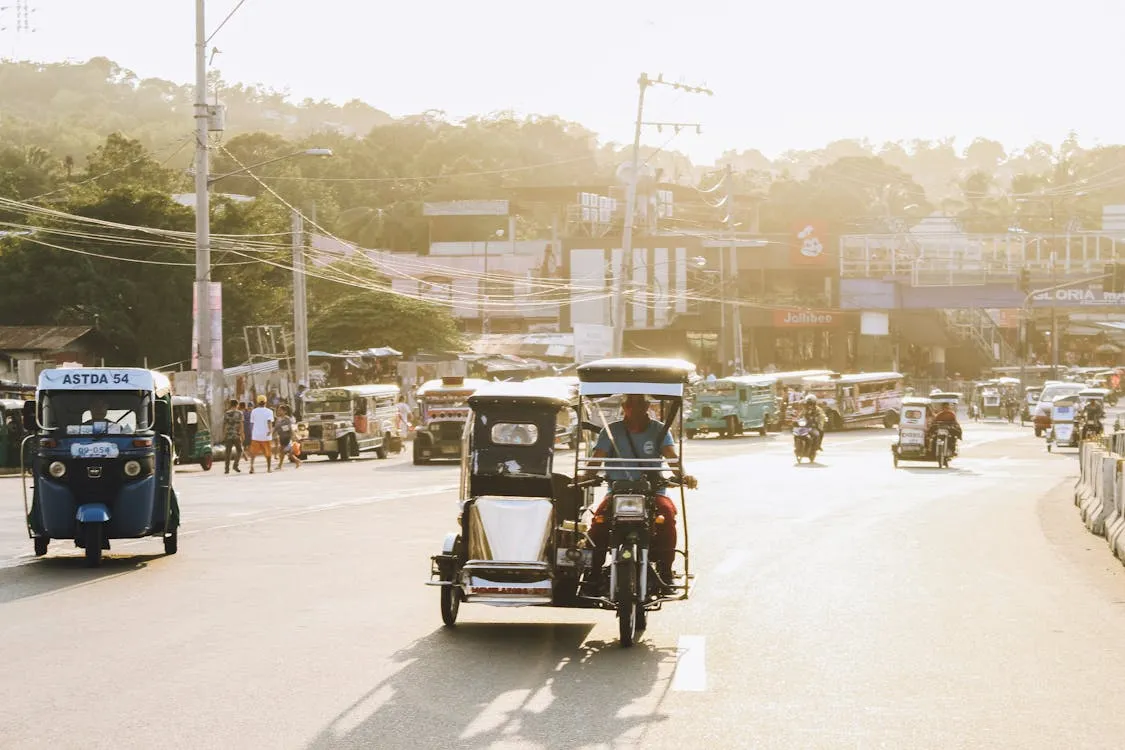
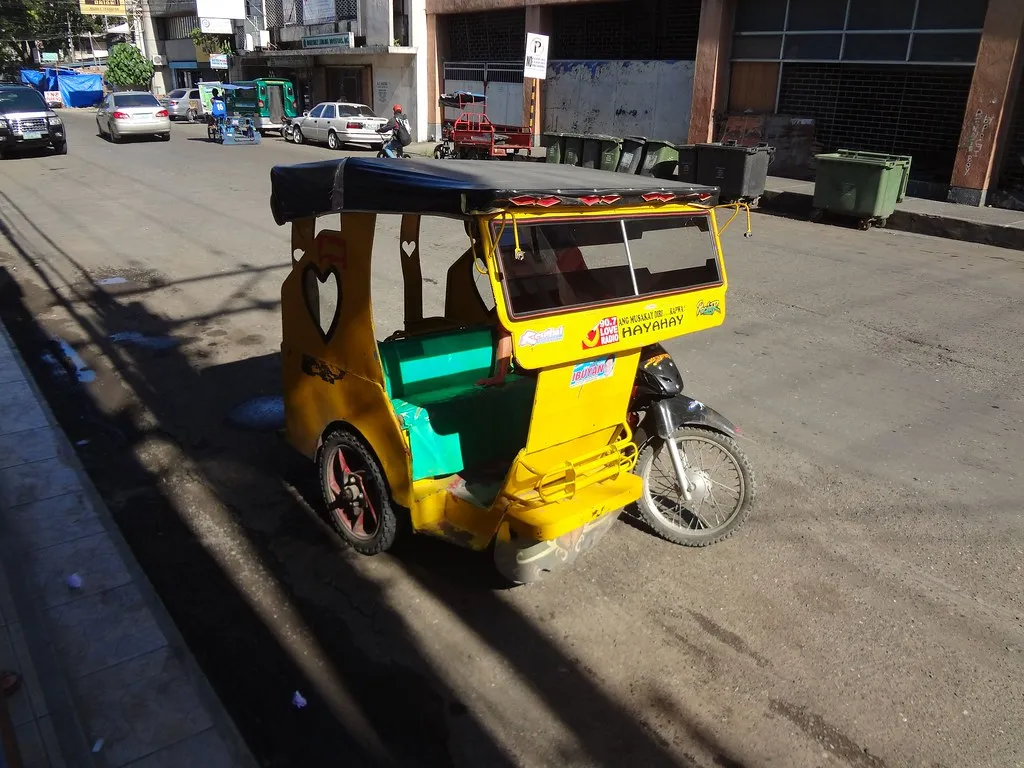
Tricycles and habal-habal (motorcycle taxis) fill the gaps that jeepneys leave, especially for short trips and last-mile connections within barangays.
The current tricycle base fare sits at PHP 10–10 (early 2026) with PHP 1–2/km (early 2026) , though drivers’ groups have petitioned for an increase to PHP 20 minimum citing fuel costs that have climbed to roughly PHP 92 per liter.
In practice, most tricycle rides within a single barangay cost PHP 15–30 (early 2026) per person. A ride from your subdivision gate to the nearest jeepney stop typically runs PHP 10–20 (early 2026) . Rides that cross barangay boundaries or run during late hours cost PHP 30–50 (early 2026) .
Habal-habal (single-passenger motorcycle rides) cost roughly double the tricycle rate for the same distance but move faster through traffic. They are common on routes where tricycles are banned or impractical, such as narrow interior roads in Matina Crossing or steep sections near hillside subdivisions in Buhangin.
Expect to pay PHP 20–50 (early 2026) per ride depending on distance.
Both tricycles and habal-habal are cash only, and fares are negotiated rather than metered.
Drivers in tourist-heavy areas near SM Lanang Premier or along the Roxas Boulevard waterfront sometimes quote higher rates to unfamiliar faces.
Taxi Fares in Davao City
Metered taxis in Davao are more affordable than Manila or Cebu, and drivers here have a reputation for actually using the meter.
The current flag-down rate is PHP 50–50 (early 2026) with a per-kilometer charge of PHP 13.5–13.5/km (early 2026) . Waiting time adds PHP 2 per minute.
Sample taxi fares within the city:
- Ecoland (DCOTT) to Bajada: 4km, roughly PHP 100-120
- SM City Davao to SM Lanang Premier: 7km via Quimpo Blvd and JP Laurel Ave, roughly PHP 140-170
- Matina Crossing to Lanang business parks: 8km, roughly PHP 150-180
- Downtown to Davao Airport (Buhangin): 10km, roughly PHP 180-220
Over 5,000 taxi units operate in Davao. Availability is generally good along major roads like JP Laurel Avenue, Quirino Avenue, and Quimpo Boulevard, and outside malls.
Hailing a cab on interior barangay roads or in Toril is harder, that is where Grab fills the gap.
Taxis remain a solid mid-price option for trips where Grab surge pricing kicks in. During heavy rain or Friday evenings, taxi meters stay flat while Grab multipliers can push a PHP 150 ride to PHP 250 or more.
How Much Does Grab Cost in Davao?
Grab is widely available in Davao’s central districts and runs 24 hours, making it the default choice for night-shift commuters and anyone wanting door-to-door service. The GrabCar sedan base fare remains at PHP 45–45 (April 2026) , an LTFRB-approved increase to PHP 65 was suspended alongside all other fare hikes on March 18.
A typical inner-city Grab ride costs PHP 80–250 (April 2026) depending on distance and demand.
Typical Grab fares:
- Short trips (under 5km): PHP 80–130 (early 2026) — Matina to SM City Davao, Bajada to Abreeza Mall
- Medium trips (5-10km): PHP 130–200 (early 2026) . Ecoland to Lanang, Agdao to Buhangin
- Longer trips (10-15km): PHP 200–300 (early 2026) — Toril to downtown, airport to Lanang
Surge pricing applies during peak hours (7:00-9:00am, 5:00-7:00pm), heavy rain, and Friday/Saturday nights. During a typhoon warning or major Kadayawan Festival events, surge multipliers can double the base fare.
Grab availability drops noticeably south of Matina and in outer areas like Calinan, Marilog, and parts of Toril.
Wait times in Lanang and Bajada average 3-7 minutes; in Toril or Mintal, expect 10-20 minutes or no available drivers at all.
Monthly Transport Budget by Commute Pattern
Your monthly transport spend depends entirely on your commute pattern and neighborhood. Here are realistic scenarios for Davao renters.
| Category | Range (PHP) | Notes |
|---|---|---|
| Daily jeepney round-trip | 26–36 | 2 rides x PHP 13-18 |
| Weekend errands (4 trips) | 56–80 | Groceries, mall |
| Monthly total (22 work days) | 672–960 | |
| Total | 754–1,076 |
Estimates as of Early 2026. Actual costs vary by building, usage, and lifestyle.
| Category | Range (PHP) | Notes |
|---|---|---|
| Jeepney (15 day shifts) | 390–540 | PHP 26-36/day |
| Grab (7 night shifts) | 700–1,750 | PHP 100-250/ride |
| Weekend Grab/tricycle | 200–500 | 4-6 trips |
| Monthly total | 1,320–2,850 | |
| Total | 2,610–5,640 |
Estimates as of Early 2026. Actual costs vary by building, usage, and lifestyle.
| Category | Range (PHP) | Notes |
|---|---|---|
| Grab to work (22 days) | 2,200–5,500 | PHP 100-250/ride |
| Grab home (22 days) | 2,200–5,500 | PHP 100-250/ride |
| Weekend trips | 400–800 | 4-6 trips |
| Monthly total | 4,800–11,800 | |
| Total | 9,600–23,600 |
Estimates as of Early 2026. Actual costs vary by building, usage, and lifestyle.
The gap between Scenario A and Scenario C illustrates why neighborhood choice matters. A renter paying PHP 2,000 less in rent but spending PHP 4,000 more on Grab is losing money. Factor transport into your total monthly budget when comparing areas, the full cost breakdown shows how these numbers stack up against rent and utilities.
For BPO workers specifically, see our housing cost guide for BPO workers for salary-to-rent ratios by neighborhood.
Transport Modes Compared
| Mode | Cost per Ride | Speed | Hours | Best For |
|---|---|---|---|---|
| Jeepney | PHP 13–18 | Slow (frequent stops) | 5am–9pm, major routes | Daily budget commuting |
| Tricycle | PHP 10–30 | Moderate (short hops) | Daytime, within barangays | Last-mile from jeepney stop |
| Habal-habal | PHP 20–50 | Fast (weaves traffic) | Varies, some late-night | Narrow roads, quick trips |
| Taxi | PHP 50 flag + PHP 13.50/km | Fast (direct route) | All day, major roads | Rain, luggage, metered trips |
| Grab | PHP 80–250 | Fast (door-to-door) | 24hrs (limited late night) | Night shifts, convenience |
Which Neighborhoods Have the Best Transport Access?
Not all areas offer equal access to cheap transport. Here is how Davao’s rental districts compare for commuting:
Bajada-Obrero sits at the center of the jeepney network. Multiple routes pass through Quirino Avenue and C.M. Recto Street. Renters here rarely need Grab for daily commuting. See the Bajada-Obrero guide for the full area profile.
Matina-Ecoland benefits from proximity to the DCOTT terminal and Route 2. The Matina IT corridor means BPO workers can often walk or take a short tricycle ride.
The catch: Matina Crossing floods during heavy rains, and traffic on Quimpo Boulevard crawls during evening rush — a 15-minute off-peak trip to SM Lanang stretches to 45 minutes. See the Matina-Ecoland guide for commute details.
Lanang has good taxi and Grab coverage along JP Laurel Avenue, but jeepney service is less frequent than downtown routes. Renters working in Lanang business parks who also live in Lanang can walk, but those commuting to Matina or downtown will spend more on transport. See the Lanang guide for commute routes.
Toril-Mintal offers the cheapest rent in the metro area, but transport costs eat into those savings. Route 3 jeepneys run to Bankerohan, but the 30-45 minute ride each way adds up in time.
Grab availability is limited and often costs PHP 200+ to reach downtown. See the Toril-Mintal guide for commute details.
Rain and Flooding: When Your Commute Breaks Down
Heavy rain transforms Davao’s transport system. Jeepney drivers pull off flooded routes, tricycles disappear, and Grab surge pricing kicks in immediately.
A commute that costs PHP 26 by jeepney on a dry day can cost PHP 200+ by Grab during heavy rain — an 8x multiplier.
Specific problem spots:
- McArthur Highway at Matina Crossing — floods and closes during heavy rain. The Balusong Bridge can close for an hour or more. Matina and Toril commuters lose their primary route.
- Quimpo Boulevard low sections — waterlogging during sustained rain forces jeepneys to reroute
- JP Laurel Avenue near Mamay Road, localized flooding in Lanang
- Downtown (Roxas Ave, Quezon Blvd), in August 2025, heavy rain stranded downtown commuters and the city deployed emergency vehicles
If you commute through any of these corridors daily, budget an extra PHP 500-1,000 per month during June-September (the wettest months) for Grab rides when jeepney service degrades. See the flood map guide for which specific areas to investigate before choosing your rental.
Tools for Planning Your Commute
CommuteDavao app, covers 50+ jeepney routes with real-time tracking and fare estimates. Available on iOS and Android. Useful for figuring out which routes serve your potential rental before you sign.
CommuteTour route directory, lists 60+ Davao jeepney routes with codes, origin/destination pairs, and major streets covered. Good reference for understanding the network.
Grab app, the fare estimator shows real-time pricing between any two points. Test your likely commute route during both peak (6-8pm) and off-peak hours before committing to a neighborhood.
Upcoming: Davao Bus Rapid Transit System
The Davao Public Transport Modernization Project, backed by a USD 1.014 billion ADB loan, plans to replace the current jeepney network with an integrated bus system. The numbers:
- Total cost: PHP 73.38 billion
- Coverage: 672 kilometers across 31 routes in 4 tiers (Metro, Inter-city, Feeder, Local)
- Fleet: 1,100 buses. 380 electric, 720 Euro-5 diesel
- Bus stops: 1,074 planned stations
- Timeline: Pilot operations targeted for 2027, full implementation 2028. As of mid-2025, roughly 60% of required right-of-way has been secured.
The system would connect Panabo City in the north through central Davao to Calinan and Toril in the south, with feeder routes serving the airport, Sasa Port, and Santa Ana. If it launches on schedule, it would fundamentally change the commute calculus for Toril and outer barangay renters who currently rely on infrequent jeepneys and expensive Grab rides.
Until that system launches, the current jeepney-tricycle-Grab combination remains the reality for Davao commuters.
Picking a Rental Location Based on Commute Costs
Transport costs are a hidden multiplier on your monthly budget. A PHP 8,000 apartment in Toril with PHP 4,000 in monthly Grab rides costs the same as a PHP 12,000 apartment in Matina where you walk to work.
Before signing a lease, map your commute: check the complete cost of living breakdown to see how transport fits alongside rent, electricity, and other expenses.
For renters working in the Matina IT corridor, living within walking distance of Quimpo Boulevard or along the Ecoland-Bankerohan jeepney route keeps monthly transport under PHP 1,000. For those in Lanang business parks, staying along JP Laurel Avenue gives access to both jeepneys and taxis without the Grab premium.
Related utility guides: electricity costs for renters, water bills and DCWD setup, and internet providers compared.
Frequently Asked Questions
- How much is the jeepney fare in Davao City in 2026?
- The base fare for traditional jeepneys in Davao is PHP 13 for the first four kilometers. An LTFRB-approved hike to PHP 14 was suspended by President Marcos on March 18, 2026 amid fuel price concerns. Modern jeepneys charge PHP 15. Fares remain at pre-hike levels as of April 2026.
- How much does Grab cost in Davao City?
- A typical Grab ride within Davao City runs PHP 80-250 depending on distance and surge pricing. The base fare is PHP 45 (a planned increase to PHP 65 was suspended in March 2026). A 5km trip averages PHP 80-130, while a 10km ride runs PHP 150-200.
- What is the cheapest way to commute in Davao?
- Jeepneys are the cheapest option at PHP 13 base fare. A daily round-trip commute by jeepney costs roughly PHP 26-36 depending on distance, or PHP 600-900 per month.
- Is Grab available in Davao City at night?
- Grab operates 24 hours in Davao but availability drops significantly after 10pm. Surge pricing kicks in during late hours, and wait times can stretch to 15-20 minutes in outer barangays.
- How much should I budget for transport in Davao per month?
- Budget PHP 600-900 for jeepney-only commuting, PHP 1,500-3,000 for a mix of jeepney and Grab, or PHP 4,000-7,000 if relying mainly on Grab or taxi.