Boarding Houses in Davao: What to Expect for PHP 2,500-5,500
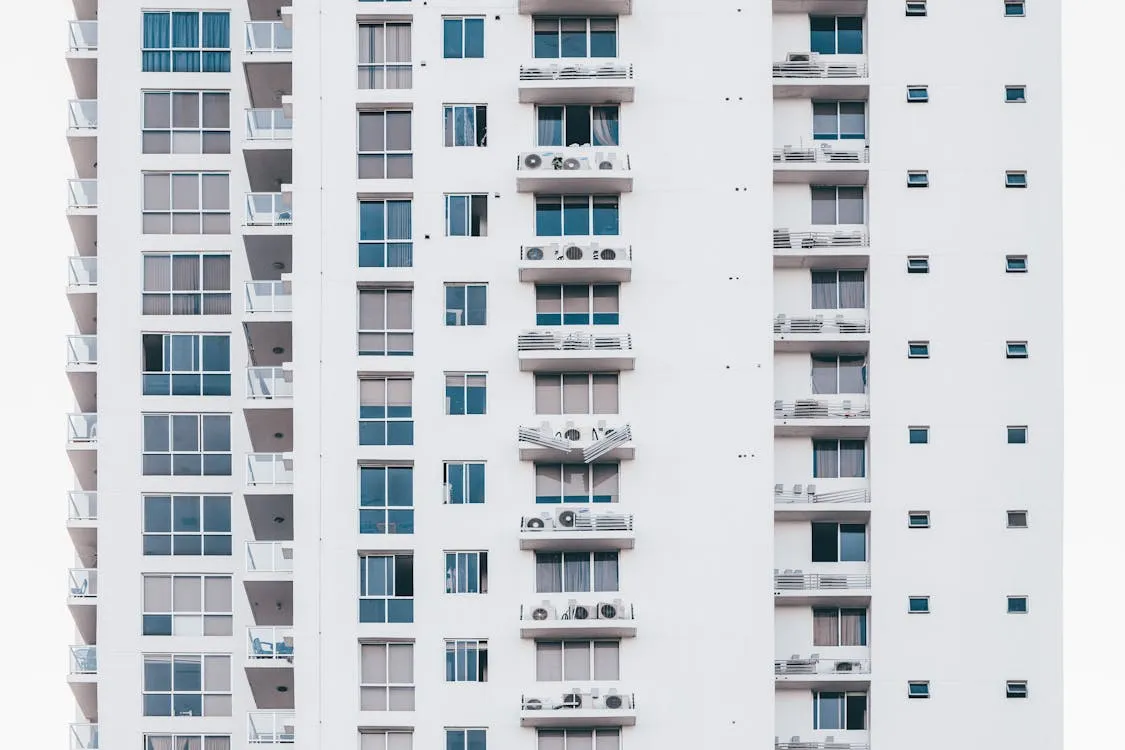
Boarding houses and bedspaces remain the cheapest way to rent in Davao City, with monthly rates running PHP 2,500–5,500/month (early 2026) depending on location, room sharing, and what the operator includes. Thousands of students at the University of Mindanao, Ateneo de Davao, UP Mindanao, and Holy Cross of Davao rely on these setups every academic year, and so do entry-level BPO workers, fresh graduates, and anyone stretching a tight budget.
What you give up for low rent is personal space, freedom from house rules, and consistent quality. This guide breaks down what that price range actually gets you, where the rooms cluster, and what to inspect before handing over a deposit. For the full rental process from search to move-in, the complete renting guide covers every step.
What Does PHP 2,500–5,500 Actually Get You?
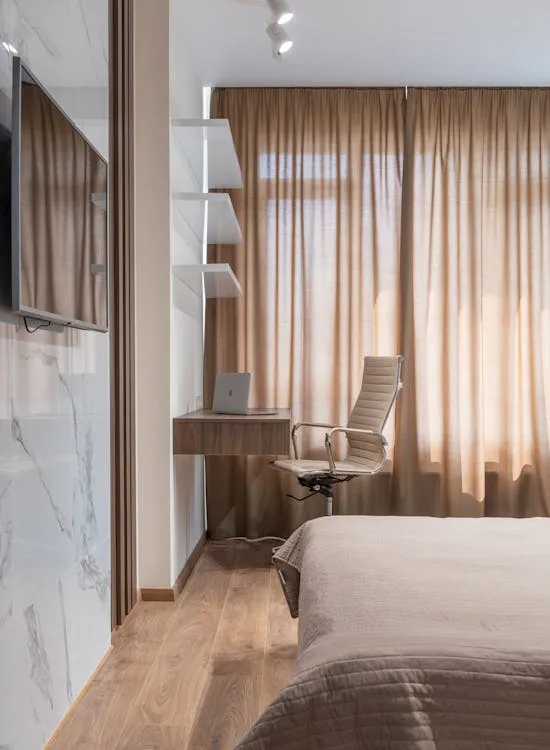
At the low end — PHP 2,500–3,500/month (early 2026) — expect a bed in a shared room with 2 to 4 other tenants, a common bathroom, and a padlock on a small cabinet. The room will have a fan (not aircon), concrete walls, and a window that may or may not have a screen.
Water is usually included. Electricity is split among tenants or charged as a flat monthly share. There is no kitchen access, no WiFi, and no furniture beyond the bed frame.
At the upper end. PHP 4,000–5,500/month (early 2026) , the room is semi-private or shared with just one other person. Some operators include a small desk, a cabinet with a lock, and access to a common kitchen for cooking rice.
A few newer boarding houses along Ma-a Road near UM and Jacinto Street near AdDU offer WiFi and daily cleaning of common areas at this tier. Furnished bedspaces at buildings like 8 Spatial Condo beside the UM Matina campus start at the top of this range, bundling WiFi, pool access, and basic amenities.
The distance between PHP 2,500 and PHP 5,500 is not just about comfort — it determines how much of daily life happens outside the room. Tenants at the lower end spend more on laundry shops, mobile data, and meals out because the boarding house provides almost nothing beyond a bed and a roof.
Boarding House vs Bedspace vs Dormitory
The terms get used interchangeably in Davao Facebook groups, but they describe different setups with different price points and rules.
| Bedspace | Boarding House | Dormitory | |
|---|---|---|---|
| What you rent | A single bed in a shared room (2–6 people) | A room, shared or semi-private, in a converted house | A room in a purpose-built student facility |
| Monthly rent (Davao) | PHP 2,000–4,500 | PHP 3,000–5,500 | PHP 3,500–7,000 |
| Bathroom | Shared (1 per 4–8 tenants) | Shared or semi-private | Shared or en-suite at higher tiers |
| Kitchen access | Rarely | Common kitchen, basic | Rarely (meal plans sometimes available) |
| Security | Padlock on cabinet, house gate | House gate, landlord on-site | CCTV, logbook, controlled entry |
| WiFi included | Almost never | Sometimes at PHP 4,500+ | Usually included |
| Curfew | Common (10–11pm) | Common | Strict (10pm, permit for overnight) |
| Lease term | Monthly or per semester | Monthly or per semester | Per semester or annual |
| Best for | Tightest budgets | Students who cook, need flexibility | Students who want structure and safety |
Bedspaces are the entry point. The operator packs multiple beds into a room — bunk beds are standard, and charges per bed. Privacy is minimal.
Most bedspace setups near UM along Bolton Extension and Ma-a Road fall in the PHP 2,500–4,500/month (early 2026) range. The advantage is zero commitment: most operators allow month-to-month stays with just a one-month deposit.
Boarding houses are typically converted residential homes. The owner lives on-site or nearby, and rooms are rented individually or in pairs.
Boarding houses along Jacinto Street and C.M. Recto Street near AdDU charge PHP 3,000–5,500/month (early 2026) . The key difference from bedspaces is usually kitchen access, even a basic rice cooker and shared stove can save PHP 1,500–3,000 per month on food.
Dormitories are more institutional. Residencia Del Marina on Jacinto Street (AdDU-accredited) and EBL Hall at UP Mindanao’s campus are examples.
Dorms charge more — PHP 3,500–7,000/month (early 2026) — but include structured security, study areas, and sometimes WiFi. The catch is stricter rules and longer lease commitments.
Where Boarding Houses Cluster in Davao
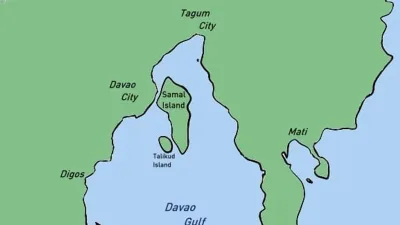
Boarding houses concentrate within walking distance of universities. Three zones cover most of the supply.
Near University of Mindanao. Matina
UM’s main campus along Bolton Extension makes the surrounding streets — Ma-a Road, Guillermo E. Torres Street, and the Sandawa area — the densest boarding house zone in Davao. Bedspaces here start at PHP 2,500–5,000/month (early 2026) . The area also serves students at Malayan Colleges Mapua nearby.
SM City Davao and Gaisano Mall are a short jeepney ride away for groceries and supplies. Matina’s drawback is flood exposure — Matina Crossing and Matina Pangi sit in the Matina River flood basin, so ground-floor units in low-lying blocks need checking during wet season. For a full breakdown of Matina, see the Matina-Ecoland area guide.
Near Ateneo de Davao. Obrero and Bajada
AdDU’s Jacinto campus puts students in Obrero, one of Davao’s most central barangays. Boarding houses and dormitories along Jacinto Street and C.M. Recto Street charge PHP 3,000–5,500/month (early 2026) for bedspaces and semi-private rooms. The Obrero-Bajada zone is walkable to Abreeza Mall, Aldevinco Shopping Center, and People’s Park.
Jeepney routes from Bajada connect to nearly every part of the city. Rents here run 15–25% higher than Matina for equivalent units, and boarding houses fill fast during June enrollment. The Bajada-Obrero area guide covers this zone in detail.
Near UP Mindanao. Mintal and Toril
UP Mindanao’s campus sits along Davao-Bukidnon Road in Mintal, about 14 kilometers from the city centre. This is Davao’s cheapest boarding house zone, bedspaces at Sitio Basak and along UP Road start at PHP 2,000–4,000/month (early 2026) , and boarding houses run PHP 2,500–4,500/month (early 2026) .
The university operates EBL Hall, an on-campus dormitory for about 250 students. But distance is the price: jeepneys to SM City Davao or Bajada take 30–45 minutes via McArthur Highway. The Toril-Mintal area guide covers transport options and daily costs for this zone.
What Is Typically Included (and What Costs Extra)
Where to find listings: The best boarding house rooms are rarely posted online, walk the streets near campus and look for signboard ads on gates. For online searching, three Facebook groups carry the most Davao boarding house listings: “UM Davao Boarding House and Apartment Rentals,” “Davao City Apartments/Rooms for Rent,” and “Boarding House/Bedspace for Rent Davao City.”
Verify every listing in person before paying, the rental scams guide covers the GCash reservation fee scam that targets boarding house seekers.
The listing price on a Facebook post or signboard outside the boarding house rarely tells the full story. Here is how costs break down once a tenant moves in.
| Category | Range (PHP) | Notes |
|---|---|---|
| Rent (boarding house, near UM/AdDU) | 2,500–5,500 | Bedspace or semi-private room |
| Electricity share | 300–800 | Flat share or sub-metered |
| Water | 0–200 | Usually included in rent |
| Internet / mobile data | 200–800 | Mobile data or split Converge plan |
| Laundry | 200–500 | PHP 40–60 per load at laundry shops |
| Food | 3,000–5,000 | Carinderia meals + cook rice if kitchen access |
| Transport (jeepney) | 400–1,300 | PHP 13 base fare; walk if close to campus |
| Phone load | 200–500 | |
| Toiletries & misc | 300–600 | |
| Total | 7,100–15,200 |
Estimates as of Early 2026. Actual costs vary by building, usage, and lifestyle.
Usually included in rent: Water (almost always), a bed frame or bunk bed, shared bathroom access, and a small storage cabinet. Some operators include basic cleaning of common areas.
Usually costs extra: Electricity is the biggest variable. Most operators charge a flat monthly share of PHP 300–800/month (early 2026) per tenant based on DLPC rates of PHP 10-13/kWh, though some use sub-meters.
WiFi is rarely included below PHP 4,500, most tenants rely on mobile data (PHP 200–500/month for basic promos) or split a PHP 1,500–2,500/month (early 2026) Converge or PLDT fiber plan with 3–4 housemates. Laundry is almost never included; laundry shops near campuses charge PHP 40–60 per load.
Cooking access varies. Boarding houses with a common kitchen save tenants significant money on food. A rice cooker and viand from the carinderia costs roughly PHP 40–60 per meal versus PHP 60–80 eating out for every meal.
Bedspaces almost never include kitchen access, tenants eat out or rely on instant noodles and bread. For students watching every peso, the budget living guide covers food-saving strategies that apply at any income level.
Rules, Red Flags, and What to Check Before Moving In
Boarding house operators in Davao set their own rules. Philippine law does not have a single national “Boarding House Act”, most regulations come from local city ordinances and the Code on Sanitation (P.D. 856).
The Rent Control Act (RA 9653) covers deposit limits for residential rentals, but enforcement at the boarding house level is inconsistent. That means quality and safety standards vary widely.
Typical House Rules
- Curfew: 10pm–11pm is standard near universities. Some operators require written permission for overnight absences. Boarding houses catering to working adults, especially those near the Matina IT corridor serving BPO workers, often allow 24-hour access.
- Visitors: Most boarding houses restrict visitors to common areas during daytime hours. Overnight guests are almost universally prohibited. Visitor logbooks are common.
- Quiet hours: 10pm onward. Noise complaints are the most frequent source of tension between tenants.
- Cooking: LPG stoves in rooms are prohibited for safety. Rice cookers and electric kettles are usually allowed. Common kitchen hours may be restricted (6am–9pm is typical).
- Gender separation: Many student-oriented boarding houses in Obrero and Matina maintain separate floors or buildings for male and female tenants.
Red Flags to Walk Away From
- No fire exit or blocked exits. This is non-negotiable. Check that hallways are clear and exit doors open. Older converted houses in Matina and Obrero sometimes lack proper fire escapes.
- Wiring problems. Exposed wires, overloaded extension cords, and daisy-chained power strips are common in cheap boarding houses. Ask where the electrical panel is, if the operator does not know, that is a red flag.
- No written agreement. Even a simple one-page contract listing the rent, deposit, electricity arrangement, and house rules protects both sides. Operators who refuse to put terms in writing may also refuse to return deposits.
- Mold and water damage. Check bathroom ceilings and walls behind cabinets. Davao’s humidity means mold spreads fast in poorly ventilated rooms.
- Plumbing pressure. Turn on the faucet and flush the toilet during your visit. Shared water systems in older boarding houses lose pressure during peak hours (6–8am) when multiple tenants shower simultaneously.
What to Confirm Before Signing
Ask these questions directly:
- Is electricity sub-metered or flat-share? What was last month’s total bill?
- What is the curfew, and what happens if you come home late?
- Can you install a WiFi router or use a rice cooker in your room?
- What is the deposit, and what conditions trigger forfeiture?
- How much notice do you need to give before moving out?
For a full move-in checklist covering deposits, documents, and utility setup, see the first apartment checklist. Students on tight allowances should also read the student housing guide for campus-specific recommendations and budget breakdowns.
When to Search and Seasonal Availability
Boarding house vacancy follows the academic calendar and BPO hiring cycles.
April-May is the best time to search. Outgoing students vacate rooms at the end of the academic year, creating a wave of openings near UM, AdDU, and UP Mindanao.
Operators are eager to fill beds before June enrollment, which gives you negotiating room on deposits and rates. Some operators offer discounts of PHP 200-500/month for tenants who sign before May.
June is the worst time. The enrollment rush at UM alone absorbs hundreds of boarding house beds within 2-3 weeks.
Bedspaces near Jacinto Street (AdDU) and Ma-a Road (UM) fill up fastest, students arriving after the first week of June often settle for less convenient locations or higher prices. The best time to rent guide covers the full seasonal calendar.
January-February sees a secondary tightening as new BPO hires at the Matina IT corridor look for budget accommodation. Boarding houses near Ma-a Road and Quimpo Boulevard that normally serve students also attract entry-level agents, creating brief competition for beds.
Safety note: Davao is among the safest cities in the Philippines, and this extends to boarding house areas near universities. The main practical concern for boarding house residents is the curfew: if your boarding house locks the gate at 10 PM and you’re a BPO worker finishing a night shift at 2 AM, you have a problem. Clarify 24-hour access before signing.
For students walking to campus, the routes along Ma-a Road, Jacinto Street, and Bolton Extension are well-trafficked and lit during school hours, though side streets dim quickly after 8 PM.
What Boarding House Tenants Wish They Knew
Boarding houses and bedspaces in Davao fill a clear niche, affordable shelter for anyone who needs a roof without committing to a full apartment lease. The PHP 2,500–5,500 range — gamay gyud, but it works — covers a wide spectrum from bare-minimum bedspaces to semi-private rooms with kitchen access and WiFi.
Location drives most of the price difference: Mintal is cheapest, Matina sits in the middle, and Obrero commands the highest rates for its central location. The deciding factor is not just rent but total monthly cost once electricity, food, laundry, and transport enter the picture.
Students budgeting their full monthly allowance should read the student housing guide for a complete breakdown by campus zone, and the BPO worker housing guide covers how bedspaces and boarding houses fit into a working professional’s budget. For the wider walk-up apartment alternative — own bathroom, own kitchen, no curfew — see the apartments and boarding houses overview for the full property-type comparison. ADDU students choosing between a Poblacion boarding house and a Bajada studio should read apartments near Ateneo de Davao for the year-by-year decision.
Frequently Asked Questions
- How much does a boarding house cost in Davao City per month?
- Boarding houses in Davao range from PHP 2,500 to 5,500 per month as of early 2026. Shared-room bedspaces near UM Matina start at PHP 2,500, while semi-private rooms near AdDU in Obrero run PHP 3,500–5,500. Mintal near UP Mindanao is the cheapest zone at PHP 2,000–4,000.
- What is the difference between a bedspace and a boarding house in Davao?
- A bedspace is a single bed in a shared room — typically 2 to 6 people per room sharing one bathroom. A boarding house rents individual or semi-private rooms with shared common areas like a kitchen and CR. Dormitories are purpose-built facilities with standardized rooms, security, and sometimes study lounges.
- What utilities are included in Davao boarding house rent?
- Most Davao boarding houses include water in the rent. Electricity is usually charged as a flat monthly share of PHP 300–800 per tenant. WiFi and laundry are rarely included — tenants typically use mobile data or split a Converge plan with housemates.
- Do boarding houses in Davao have curfews?
- Most boarding houses near universities enforce curfews between 10pm and 11pm. Some require written permission for overnight absences. Boarding houses catering to working adults are more flexible, with some offering 24-hour access via key card or padlock.
- Where are the cheapest boarding houses in Davao City?
- The cheapest boarding houses cluster in Mintal near UP Mindanao at PHP 2,000–4,000 per month. Matina near UM runs PHP 2,500–5,500. The Obrero-Bajada area near AdDU is the priciest of the three university zones, with bedspaces starting at PHP 3,000–5,500.